
Summary
Many Northern Ohio homeowners are tempted to pressure wash their roofs when algae, moss, or dark streaking shows up. But power washing damages asphalt shingles in ways that aren’t always immediately visible. Granule loss, water infiltration, and voided warranties are all real risks homeowners who choose to pressure wash their roofs can face. Soft washing is the manufacturer-recommended alternative for removing organic growth without causing costly damage or voiding your roof’s warranty.
| Time to Read | ~7 minutes |
| What You’ll Learn |
|
| Next Steps |
|
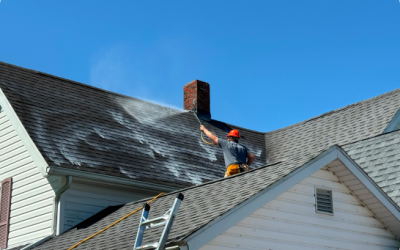
If your roof is covered in dark streaks, patches of green moss, or just looks grimy in general, the urge to grab a pressure washer makes complete sense. You’ve probably used one on your driveway or deck and gotten great results. A roof looks similar enough, so how different could it be?
Pretty different, as it turns out. Asphalt shingles aren’t built to take a direct blast of high-pressure water. What seems like a quick weekend fix can actually damage your shingles, create new leaks, and void your manufacturer’s warranty, all in one afternoon.
At Northern Ohio Roof Restoration, we’re regularly asked about roof cleaning and whether homeowners can power wash their roofs. The short answer is no, you shouldn’t power wash an asphalt shingle roof. But understanding why matters just as much as knowing the rule.
Why Homeowners Want to Power Wash Their Roofs
The most common culprit on Northern Ohio roofs is a type of algae called Gloeocapsa magma. It shows up as black or dark gray streaking and spreads over time if nothing is done about it. Moss and lichen are common too, especially on north-facing slopes and in shaded areas where moisture lingers longer. Our proximity to Lake Erie keeps humidity elevated year-round, which makes these conditions even more favorable for organic growth.
It looks bad, and homeowners want it gone. A pressure washer feels like the fastest, most satisfying solution. You can see the results immediately, the equipment is easy to rent, and most people already know how to use it. Unfortunately, fast isn’t the same as safe when it comes to your roof.
Why Power Washing Damages Your Roof
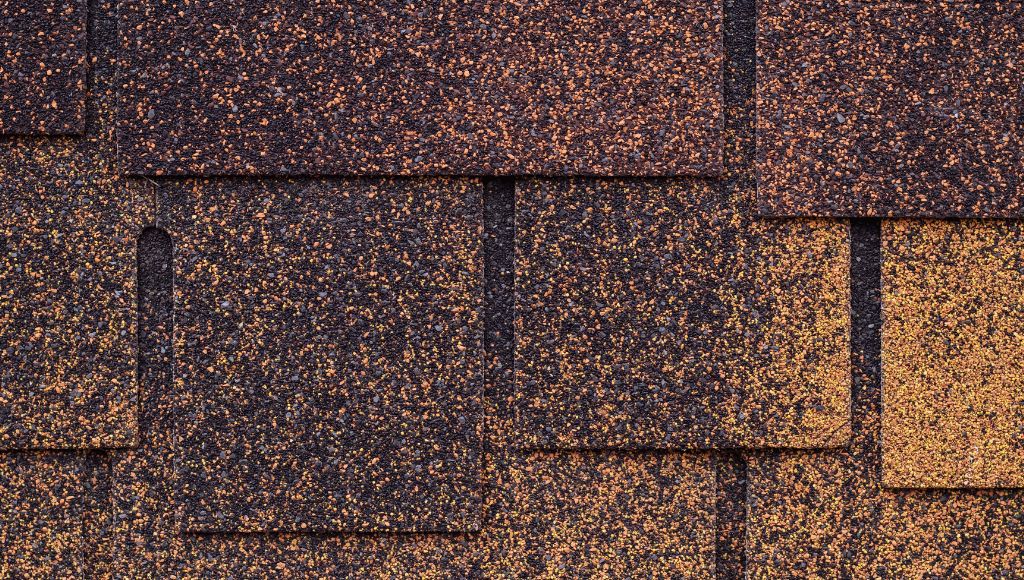
There are a number of reasons why roofing experts, like the team at Northern Ohio Roof Restoration, encourage homeowners to not use pressure or power washing equipment on their roofs.
It Strips Granules Off Your Shingles
Asphalt shingles are coated with small granules, similar to coarse sand, that protect the asphalt layer underneath from UV rays and weather. Those granules are what give your shingles their color and texture. They’re also what keeps the sun from baking the asphalt into brittleness over time.
High-pressure water blasts those granules loose. You’ll see them washing off the roof and piling up in your gutters or on the ground below. Once granules are gone, the underlying asphalt is exposed directly to UV radiation and temperature swings, and it deteriorates much faster. In Northern Ohio, where freeze-thaw cycles already stress shingles more than 50 times a winter, a roof that’s lost granule coverage ages rapidly.
It Forces Water Under Your Shingles
Shingles are designed to drain water down and away from your roof. Pressure washing works in the opposite direction. The force of the water drives it upward and underneath the shingle edges, getting into the underlayment and decking below. You might not notice a leak for weeks or months, but the damage is happening. Moisture in the underlayment leads to rot, mold, and structural problems that are far more expensive to fix than the staining you were trying to clean.
It Voids Your Manufacturer’s Warranty
Most asphalt shingle manufacturers explicitly exclude damage caused by pressure washing. That means one afternoon with a rented pressure washer can wipe out years of remaining warranty coverage. If you have a 25-year shingle that’s only 10 years old, you could be walking away from 15 years of protection you already paid for.
| The Problem | What Happens | Long-Term Result |
|---|---|---|
| Granule loss | Pressure strips protective coating | UV damage, faster aging, and a shortened lifespan |
| Water intrusion | Water forced under shingles | Underlayment damage, leaks, decking rot |
| Voided warranty | Manufacturer exclusions apply | No coverage for future storm or material damage |
| Shingle brittleness | Exposed asphalt bakes in UV | Cracking accelerates, especially in freeze-thaw cycles |
What Is Soft Washing and How Does It Work?
Soft washing is the professional alternative to pressure washing. Instead of using force to blast things off, soft washing uses a low-pressure application of a biodegradable cleaning solution. The solution does the work, not the water pressure.
It kills algae, moss, and bacteria at the source rather than just knocking them off the surface. That matters because when organic growth is killed at the root, it takes longer to come back. A pressure wash might look great the next day, but the algae returns quickly because the spores weren’t actually removed.
Soft washing is gentle on shingles, gutters, and the landscaping around your home. It’s also what most shingle manufacturers actually recommend for cleaning. Some warranties even require it.
Soft Washing Vs. Power Washing at a Glance
- Cleaning result: Both remove algae, moss, and staining from your roof
- Risk to shingles: Soft washing causes none; power washing strips granules and forces water under shingles
- Effect on warranty: Soft washing is safe; power washing often voids manufacturer coverage
- How long it lasts: Soft washing lasts longer because organisms are killed, not just rinsed away
How Northern Ohio Roof Restoration Uses Soft Wash Cleaning
At NORR, soft wash roof cleaning is part of how we prepare roofs for Roof Maxx treatment. Before we apply a rejuvenation treatment, the shingles need to be clean because dirt, algae, and organic buildup on the surface prevent the Roof Maxx oils from penetrating the shingles properly, which reduces the effectiveness of the treatment.
So, rather than skipping this step or rushing it with a pressure washer, we use a proper soft wash process that cleans the roof without causing damage. It’s one more way that the restoration process we offer is designed to extend your roof’s life rather than put it at risk.
When Should Northern Ohio Homeowners Think About Cleaning Their Roofs?
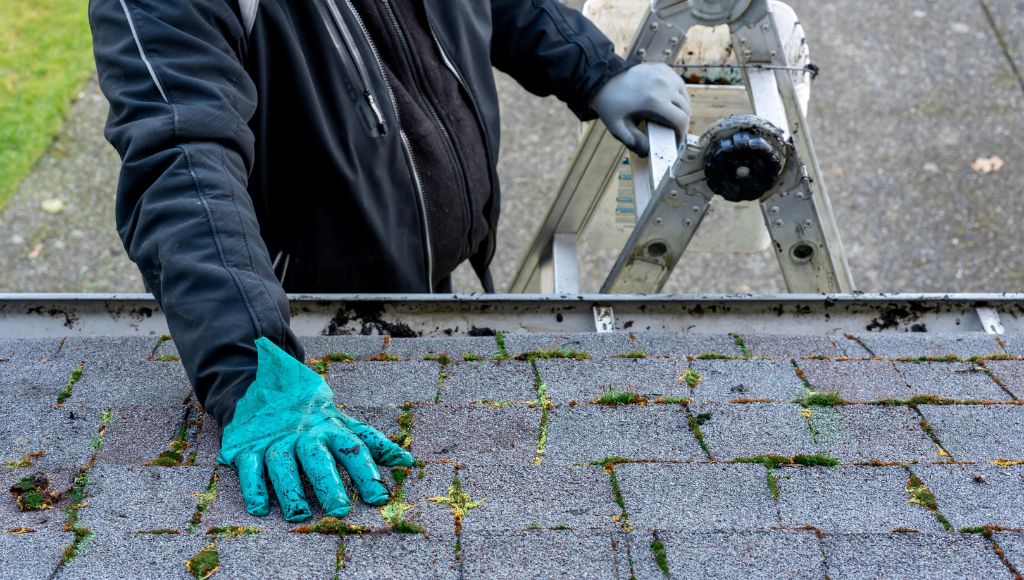
Signs It’s Time for a Cleaning
- Dark black or gray streaking running down your shingles
- Visible green or brown moss patches, especially on the north-facing side
- Lichen growth, which looks crusty and is harder to remove than algae or moss
- Noticeable buildup before a home sale or before scheduling a Roof Maxx treatment
How Often to Clean Your Roof
There’s no universal schedule that works for every roof. A lot depends on certain factors pertaining to your roof, including:
- How much shade your roof gets
- How close you are to the lake
- What type of trees are nearby
In Northern Ohio, Lake Erie’s humidity keeps roofs damp longer after rain or snowfall, which gives algae and moss the moisture they need to thrive.
A good general approach is to have your roof inspected annually and schedule a cleaning when organic growth becomes visible or before a planned restoration. Catching it early makes the cleaning easier and prevents the buildup from holding moisture against your shingles in the meantime.
Fitting Roof Cleaning Into Your Broader Maintenance Plan
Cleaning isn’t a replacement for inspection, repair, or restoration. It’s one part of a complete approach to keeping your roof in good shape. Algae and moss hold moisture against your shingles, so getting rid of them reduces that ongoing stress. But if your shingles are already losing flexibility or showing signs of granule loss from age, cleaning alone won’t address the underlying issue.
For roofs that are aging but still structurally sound, Roof Maxx restoration is often the next step after a cleaning. The treatment restores the oils that keep shingles flexible and extends their useful life by up to five years per application, with up to three applications possible over time. A clean roof is a necessary starting point for getting the most out of your investment.
Keeping up with cleaning, inspections, and timely repairs is the most cost-effective way to protect your roof long-term. Small problems and surface buildup that get addressed early rarely turn into expensive emergencies.
The Bottom Line
Power washing a roof is one of those things that seems like a good idea until you understand what it actually does. Granule loss, water intrusion, and a voided warranty are real consequences that can shorten your roof’s life and cost you far more than the original staining would have. Soft washing gets the job done safely, without the risk.
If your roof has algae streaking, moss growth, or general buildup from a Northern Ohio winter, the team at Northern Ohio Roof Restoration can help. We offer soft wash roof cleaning as part of our full restoration process and as a standalone service for homeowners who need a clean start.
Call us at (419) 341-0656 or reach out online to get a free, instant quote, schedule an inspection, and find out what your roof actually needs.