
Summary
In Northern Ohio, roofs face unique challenges that shorten their lifespan compared to national averages. Lake-effect snow, freeze-thaw cycles, and humidity from Lake Erie accelerate aging by 15-20%. Understanding what affects your roof’s lifespan helps you make informed decisions about maintenance, restoration, or replacement. Proactive care, regular inspections, and treatments like Roof Maxx can extend your roof’s life significantly. As a Northern Ohio homeowner, you should know about material lifespans, common problems, warning signs to watch for, and practical steps to get the most years out of your investment.
| Time to Read | ~ 7 minutes |
| What You’ll Learn |
|
| Next Steps |
|
Is your 15-year-old roof approaching the end of its life, or does it have years left? The answer depends on more than just age. Your roof is one of your home’s biggest investments, and in Northern Ohio, it faces unique challenges that can dramatically affect how long it lasts.
Some roofs fail at 12 years, while others in the same neighborhood last 25. The difference comes down to material quality, installation, maintenance, and how well your roof handles Northern Ohio’s particularly demanding climate.
At Northern Ohio Roof Restoration, we’ve seen firsthand how proper care and timely intervention can add years to a roof’s lifespan.
How Long Should Your Roof Last?
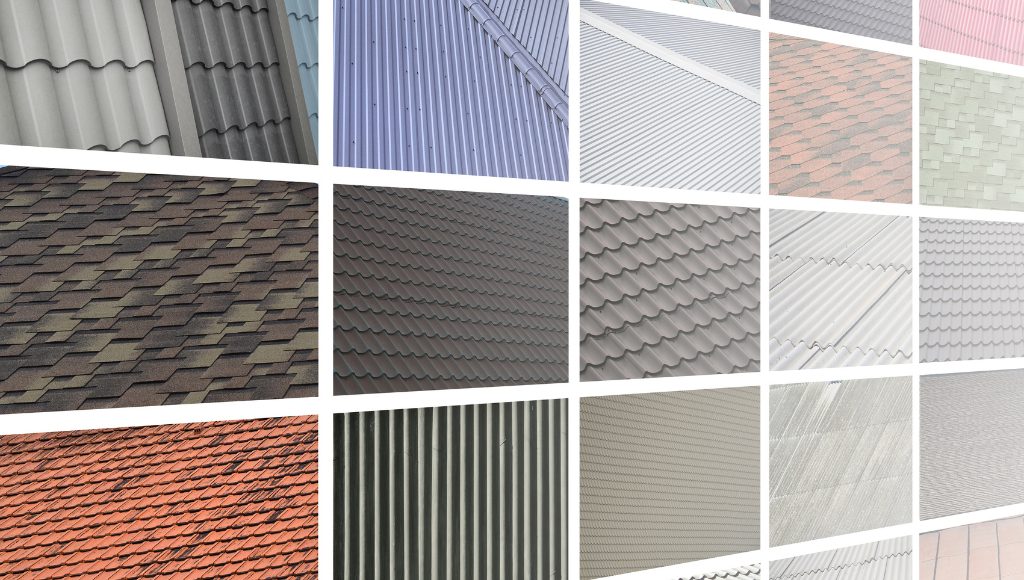
Not all roofing materials age the same way, and Northern Ohio’s climate tends to shorten the lifespan you’d see in milder regions.
| Material | National Average | Northern Ohio Reality |
| 3-Tab Asphalt Shingles | 20-25 years | 15-20 years |
| Architectural shingles | 25-35 years | 20-30 years |
| Metal roofing | 40-70 years | 40-70 years |
| Clay concrete tile | 50+ years | Not recommended (freeze-thaw damage) |
| Wood Shakes | 25-30 years | 20-25 years |
| Slate | 75-100+ years | 75-100+ years |
Why the difference? Lake-effect snow, brutal freeze-thaw cycles, and humidity from Lake Erie accelerate aging by 15-20% compared to national averages. Even premium materials won’t reach their expected lifespan if installation or maintenance is poor.
What’s Killing Your Roof Early
Weather Exposure
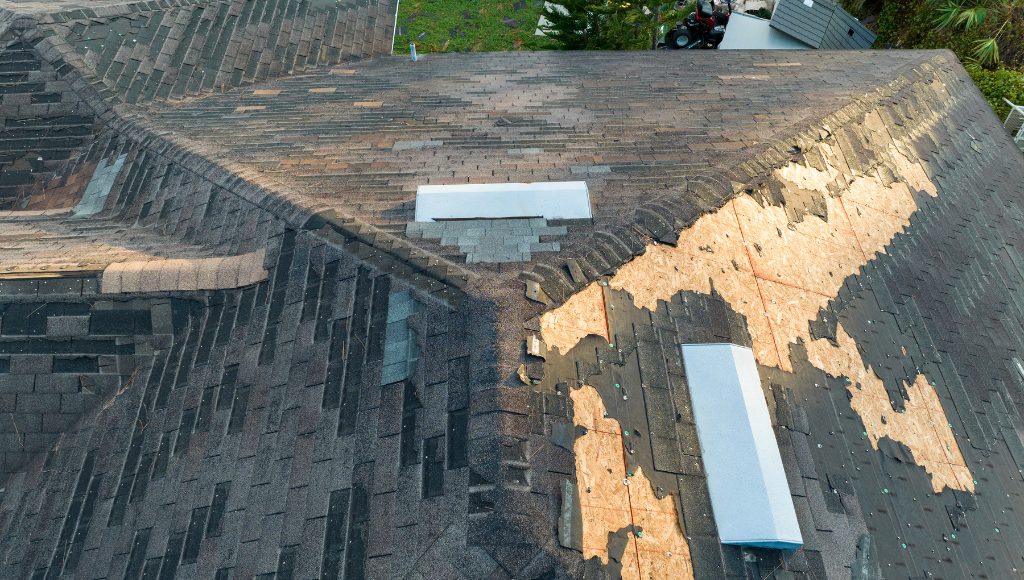
Every part of your roof takes a beating from the weather, but some areas get hit harder than others. The south-facing side of your roof sees the most sun and can age as much as 20-30% faster than the north side because UV rays gradually break down the protective oils in asphalt shingles. Wind stress isn’t as dramatic as a storm ripping off shingles, but constant winds lift edges and break seals year after year. And if you’re close to the lake, those heavy snow loads from lake-effect storms keep stressing your roof structure all winter.
Poor Ventilation
Poor ventilation in your attic is a silent roof serial killer. When heat and moisture get trapped up there, your roof ages from the inside out. In the summer, a poorly ventilated attic can reach up to 150°F and literally bake your shingles from below, and in winter, that trapped warm air creates the perfect setup for ice dams at your roof edges.
Lack of Maintenance
What happens when roofs are ignored:
- Debris from leaves and branches traps moisture against shingles
- Clogged gutters cause water to back up under roof edges
- Small problems progressively damage more shingles
- A $300 repair becomes a $3,000 problem within a year
Installation Quality
Premium shingles don’t mean much if they’re installed poorly. Nails in the wrong spots, inadequate underlayment, flashing that’s not sealed properly are all installation mistakes that will ruin even the best materials. And when a contractor takes shortcuts like using fewer nails to save time or skipping the ice-and-water shield to save money, you’re the one who pays later. Your warranty gets voided, and your roof fails years earlier than it should.
Northern Ohio’s Unique Challenge
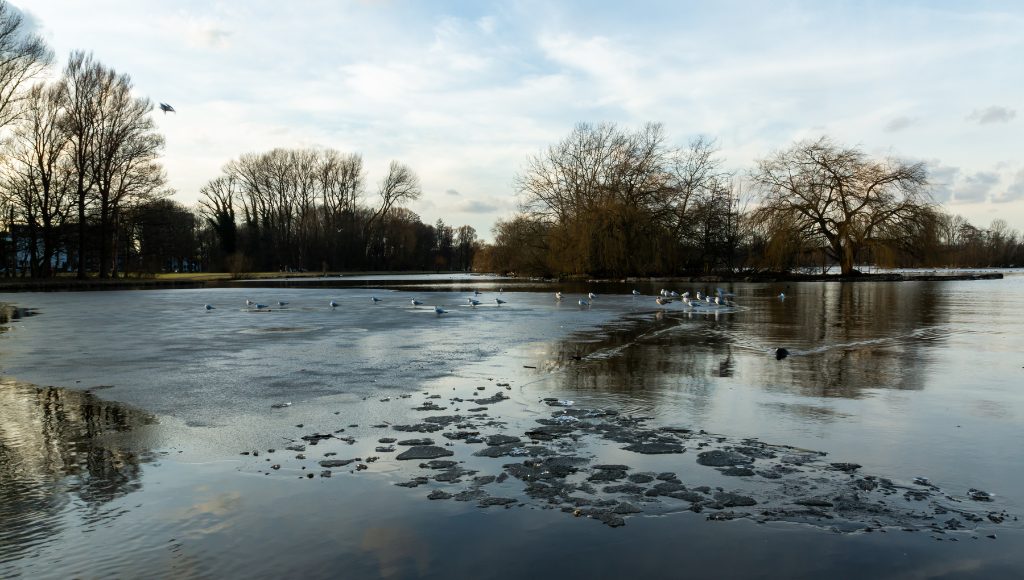
Our location on Lake Erie creates conditions that accelerate aging beyond what you’d experience just 30 miles inland.
The freeze-thaw problem is the big one. Northern Ohio averages 50+ freeze-thaw cycles per winter. Water infiltrates tiny cracks during the day, freezes overnight (expanding by 9%), and makes the crack bigger. This cycle repeats dozens of times each winter. What starts as hairline cracks in November becomes structural damage by March.
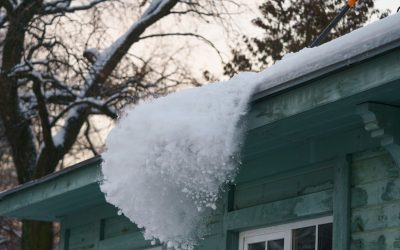
Lake-effect snow means heavier, wetter snow that creates serious roof loads. Ice dams form when heat escapes through your attic, melts snow on the upper roof, and that meltwater refreezes at cold edges, blocking drainage and forcing water under your shingles.
The humidity from Lake Erie doesn’t just make summer feel muggy. It also means your roof stays damp longer after every rain or snowfall, creating ideal conditions for algae and moss to grow. Add in the unobstructed wind that comes barreling across the lake with nothing to slow it down, and you’ve got constant stress on your shingles. That wind gradually works under shingle edges and breaks the seals over time.
Warning Signs Your Roof Is Aging Too Fast
From the Ground
- Curling or cupping shingles means lost flexibility and approaching end of life
- Missing shingles or granules indicate rapid aging (check gutters for granules)
- Sagging roof deck shows as dips or waves in your roofline
- Algae streaks or moss hold moisture and accelerate deterioration
Inside Your Home
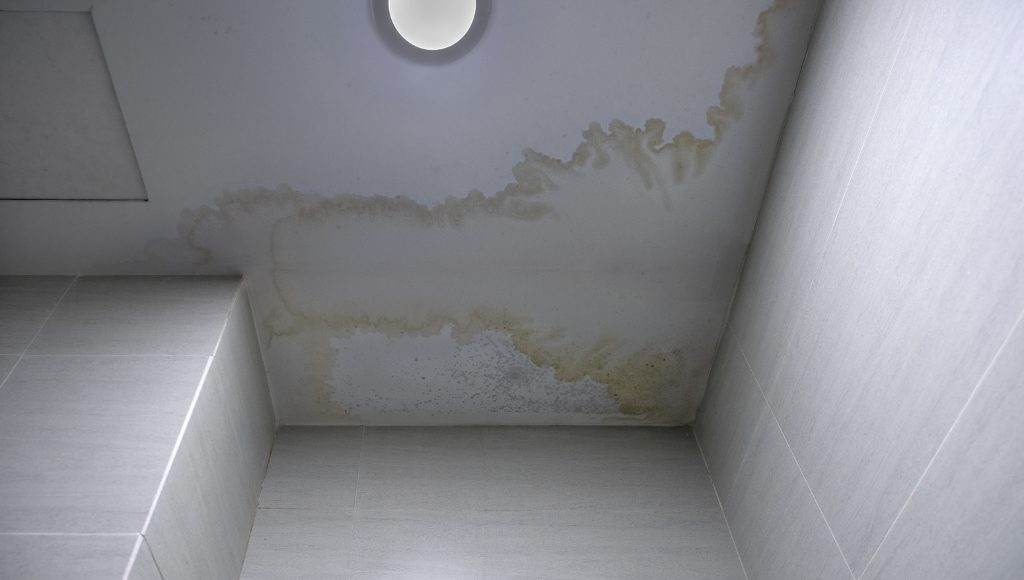
- Water stains on ceilings or walls
- Musty smell in the attic (moisture infiltration)
- Higher energy bills (poor ventilation/insulation)
- Peeling paint on eaves or soffits
Context Clues
If your roof is approaching 15 years with 3-tab shingles or past 20 years with architectural shingles, watch closely. Pay attention to neighbors getting new roofs on homes built around the same time as yours.
Extend Your Roof’s Life

Proactive maintenance makes a measurable difference. These tasks aren’t complicated or expensive, but they require consistency.
Fall Preparation (September-October)
- Clean gutters and downspouts thoroughly
- Trim overhanging tree branches
- Clear roof valleys of debris
- Check flashing around chimneys, vents, and skylights
- Schedule a professional inspection before winter
Spring Check-Up (April-May)
- Inspect for winter storm damage
- Look for lifted or missing shingles
- Check for granule loss in gutters
- Ensure proper drainage after snowmelt
- Address damage before summer heat
Year-Round Care
- Keep gutters clean after major storms throughout the year, not just in the fall
- Remove debris promptly after high winds
- Address moss or algae growth early before it becomes established
- Limit foot traffic on your roof to necessary inspections only
The Attic Connection
Proper attic ventilation and insulation are critical to roof longevity. Make sure you have adequate intake vents at soffits and exhaust vents at the ridge or gables. Maintain proper insulation levels to prevent heat from escaping into your attic during winter. Check periodically for moisture or mold, which indicates ventilation problems aging your roof from the inside.
What Not to Do
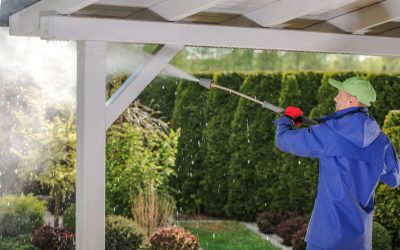
❌ Never pressure wash asphalt shingles (damages granules)
❌ Don’t ignore small problems, hoping they’ll resolve
❌ Avoid DIY repairs without proper knowledge
❌ Don’t wait until you see interior damage
Roof Maxx Restoration Treatment
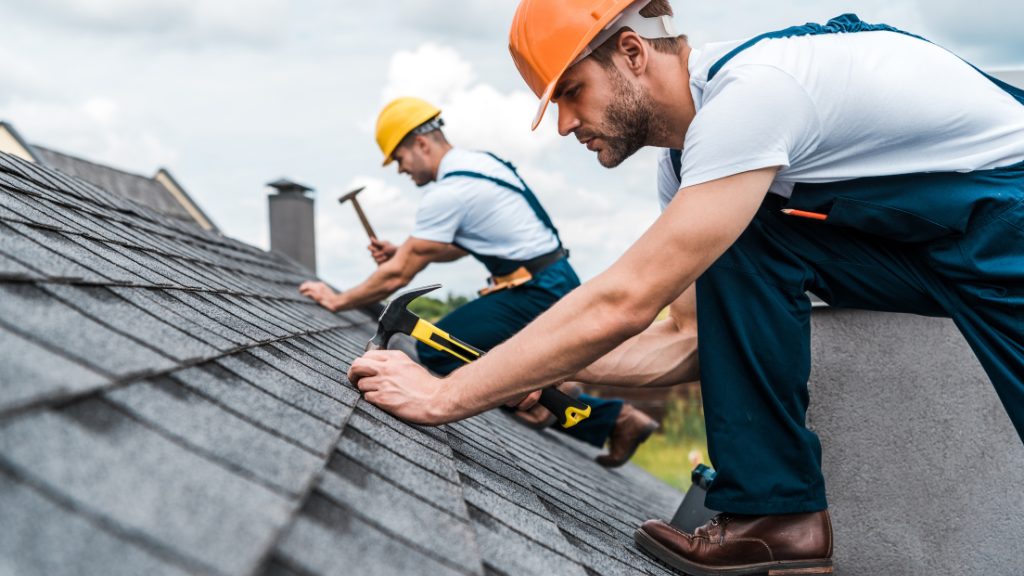
For roofs showing age but not ready for replacement, Roof Maxx offers a middle ground that adds years to your roof’s life at a fraction of replacement cost.
How It Works
Roof Maxx is a safe, all-natural rejuvenation treatment that penetrates asphalt shingles to restore lost flexibility. The oil-based formula replenishes oils that keep shingles resistant to cracking, helps them withstand wind stress and temperature changes, and improves granule adhesion.
The Benefits
Cost comparison:
- Roof Maxx treatment: $3,000-$5,000
- Full replacement: $15,000-$25,000
Additional benefits:
- Extends roof life up to 5 years per application
- Can be applied up to 3 times (15 years total extension)
- 5-year transferable warranty with each application
- Application completed in 1-2 hours
- Environmentally friendly, sustainable
Ideal Candidates
Roof Maxx works best for roofs that are 5-20 years old, showing signs of aging, shingles starting to curl or becoming brittle, homeowners who are not financially ready for replacement, and properties that are being prepared for sale.
| ⏰ Note: Roof Maxx can’t fix structural damage, widespread missing shingles or major granule loss, active leaks or water damage, roofs older than 25 years, or widespread decay or rot. |
Why Professional Inspections Matter

Getting your roof professionally inspected every year is the cheapest insurance you can buy. It catches problems while they’re still small and easy to fix, which means your roof lasts longer and you spend less money overall.
What inspectors find that you can’t:
- Hidden damage invisible from ground level (about 70% of problems)
- Early-stage issues before they become emergencies
- Ventilation and insulation problems
- Structural issues like sagging or rot
- Documentation for insurance claims
When to Schedule Inspections
- Annual inspections for all roofs
- After any major storm event
- Before buying or selling a home
- When your roof reaches 10+ years old
- After severe weather seasons
The ROI is clear. A $200-$400 inspection catches $500 repairs before they become $15,000 replacements. Professional documentation also strengthens insurance claims if storm damage occurred.
When Replacement Becomes Necessary
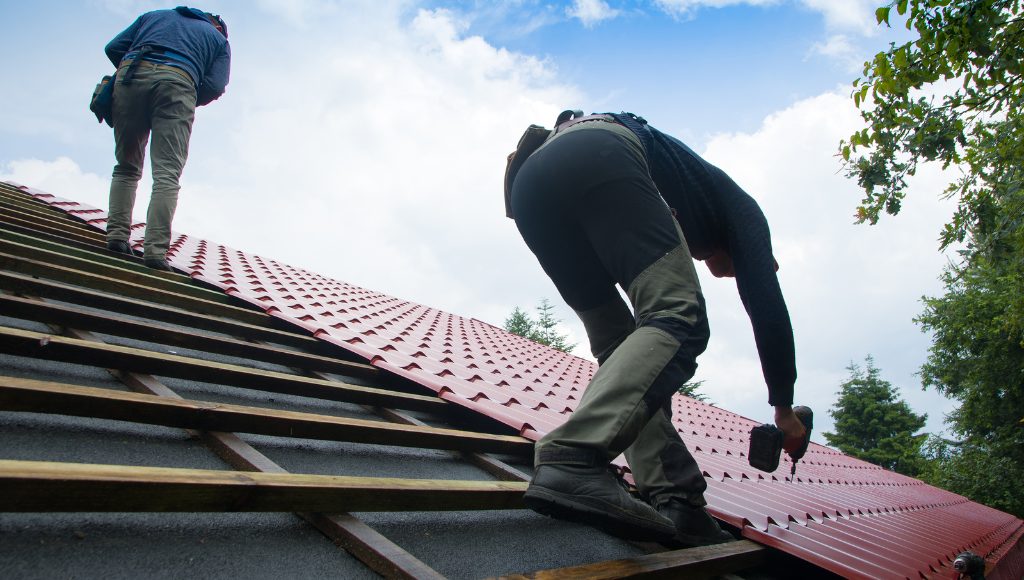
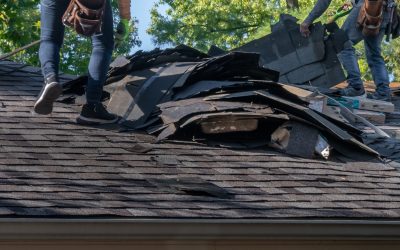
Every roof eventually wears out. You’ll know it’s time when your roof has outlived the typical lifespan for its material, you’re seeing damage spread across large sections instead of isolated spots, leaks keep popping up in different places, you notice sagging or structural problems, or repairs you’ve already done have failed.
Making the Decision
Compare repair costs to replacement. If repairs would cost more than 30-40% of replacement cost, replacement usually makes more financial sense. Consider your roof’s age and how many realistic years it has left. Look at the extent and location of damage. Think about your future plans for the home.
Don’t Wait Too Long
Delaying replacement when it’s truly necessary risks damage to your insulation, drywall, and framing. Mold and mildew growth pose health risks to your family and pets living inside the home and require expensive remediation. Structural rot turns a roofing project into a much larger construction project. The total cost of waiting often exceeds what you’d have paid for a timely replacement by 50% or more.
Making Replacement Work for You
If you find that you need to replace your roof anyway, make the most of it! Upgrade to materials that’ll outlast what you had before, fix the ventilation issues you’ve been ignoring, replace any sketchy decking, or boost your insulation while everything’s exposed, and plan the timing so you’re not waiting months during the spring contractor rush.
Protect Your Investment
Your roof’s lifespan isn’t just about the shingles you picked. It’s also about Northern Ohio’s brutal weather, whether you’ve kept up with maintenance, and how well it was installed in the first place. Don’t expect your roof to last as long as the same materials would in, say, Tennessee. Our climate shortens lifespans compared to national averages.
Know the warning signs of accelerated aging and act quickly when problems appear. Small issues caught early are inexpensive to fix. The same problems ignored for months become catastrophic failures that force emergency replacement.
Northern Ohio Roof Restoration provides free assessments and honest recommendations about whether your roof needs repair, restoration, or replacement. Call (419) 341-0656 or schedule your inspection online today.