
Summary
Cracked shingles result from oil loss, UV exposure, thermal stress, and age, but Northern Ohio’s 50+ annual freeze-thaw cycles make the problem particularly severe. Water infiltrates small cracks, freezes overnight, expands, and widens them with each cycle. Poor attic ventilation accelerates the damage by baking shingles from below. Homeowners who spot cracks early have affordable repair options, but those who choose to ignore them tend to find out just what a costly mistake that can be.
| Time to Read | ~7 minutes |
| What You’ll Learn |
|
| Next Steps |
|
You walk outside after a storm and spot a few cracked shingles on your roof. Are they a minor cosmetic issue, or are they the start of a bigger problem? The answer depends on what caused the cracks and how quickly you act.
Cracked shingles are one of the most common roofing problems in Northern Ohio. Understanding why shingles crack and what you can do about it helps you prevent small issues from becoming catastrophic failures.
At Northern Ohio Roof Restoration, we’ve seen how catching cracked shingles early can save homeowners thousands in repair costs.
Why Asphalt Shingles Crack
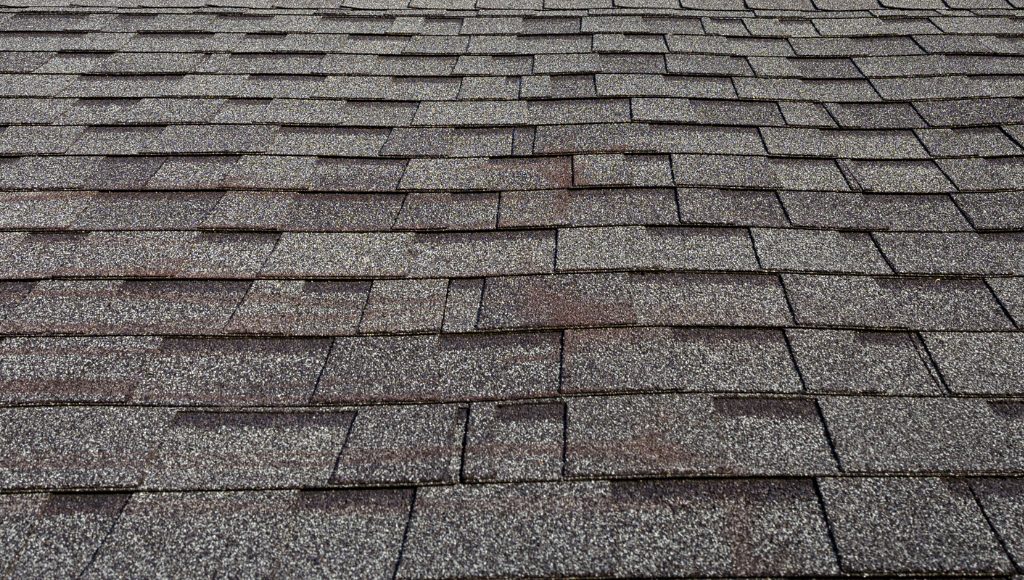
Asphalt shingles contain petroleum-based oils that keep them flexible. Over time, UV exposure and weathering cause these oils to evaporate. As shingles lose flexibility, they become brittle and prone to cracking. This process accelerates after the 10-year mark.
Constant sun exposure breaks down the chemical bonds in asphalt shingles. South-facing roof slopes age 20-30% faster than north-facing slopes because they receive more direct sun. Shingles also expand in heat and contract in cold. Over years, this constant movement weakens the shingle structure.
Typical cracking timeline for Northern Ohio:
- Years 0-10: Minimal cracking
- Years 10-15: Early cracking begins on sun-exposed slopes
- Years 15-20: Cracking becomes common
- Years 20+: Widespread cracking, replacement likely needed
Northern Ohio’s Freeze-Thaw Problem
This is the big one. Northern Ohio experiences 50+ freeze-thaw cycles per winter. Water infiltrates small imperfections in your shingles during the day when temperatures are above freezing, and when temperatures drop overnight, that water freezes and expands by 9%. The expansion forces existing cracks wider and creates new fractures.
Each cycle compounds the damage from previous cycles. Cracks that start as hairline fractures in November become structural failures by March. Many parts of the country stay consistently cold or consistently warm. Northern Ohio’s temperature pattern repeatedly crosses the freezing point, which is the worst-case scenario for roofing materials.
Hairline cracks often form long before larger fractures become visible. These tiny cracks let moisture seep beneath the roof’s surface, speeding up shingle deterioration from the inside out. By the time you’re actually able to see the damage from the ground, the roof probably already has more wear beneath the shingles.
Poor Ventilation Accelerates the Problem
When an attic doesn’t have enough ventilation, heat and moisture get trapped inside. Shingles are built to handle heat from the sun, but they’re not designed to deal with excessive heat rising from below through the roof decking.
In the summer, a poorly ventilated attic can reach temps of 150°F to 160°F. That extra heat dries out your shingles from below and causes them to lose essential oils, which turns them brittle earlier than expected. In winter, trapped heat can melt snow on the roof, and as the water runs down to colder eaves, it refreezes and creates ice dams.
Signs Your Ventilation Is Inadequate
- Excessive ice dams in winter
- Unusually high cooling costs in summer
- Extremely hot attic during summer
- Moisture or mold in the attic space
- Uneven snow melting patterns on your roof
How to Spot Cracked Shingles
Did you know that about 70% of roof damage can’t be seen from the ground? Grab a pair of binoculars for a closer look (without getting up on the roof yourself), or schedule a free roof inspection to check for cracked or missing shingles, curled edges, granule loss, and dark spots where the protective surface has worn away.
We recommend that our clients schedule a roof inspection after major temperature swings, ice storms, high-wind events, or in early spring. It’s important to note that south- and west-facing roof slopes often show damage first because they take the most weather exposure.
A professional inspection can catch small cracks that are easy to miss and often can’t be viewed from the ground (or by the untrained eye), and determine whether the damage is limited to a few areas or spread across the roof. That helps you decide if a repair is enough or if it’s time to start planning for replacement.
Here are some crack patterns to watch out for, and what they could indicate:
Horizontal cracks across the middle → Thermal stress or manufacturing defect
Vertical cracks at edges → Wind damage or improper installation
Random cracking throughout → Age-related brittleness
Concentrated on one slope → Excessive sun exposure
Near vents or chimneys → Flashing issues or water infiltration
What Happens If You Ignore Cracks
Cracks create direct pathways for water to reach the underlayment beneath your shingles. A single cracked shingle can allow gallons of water into your roof structure over the course of a season. Water that penetrates through a crack damages adjacent shingles from below. Freeze-thaw cycles in these water-infiltrated areas create additional cracks. The problem spreads exponentially.
| Timeline | Typical Cost | What’s Happening |
| Immediate repair | $200-$500 | Targeted shingle replacement |
| 3-6 months later | $1,000-$2,500 | Expanded area plus moisture barrier work |
| 1 year later | $5,000-$10,000 | Section replacement and decking repair |
| 2+ years later | $15,000-$25,000 | Full roof replacement |
Water eventually penetrates your attic and living spaces. Damaged insulation drives up energy bills. Drywall and ceiling damage mean interior repairs. Mold growth creates health concerns and requires expensive remediation.
Further Reading:
Your Repair Options
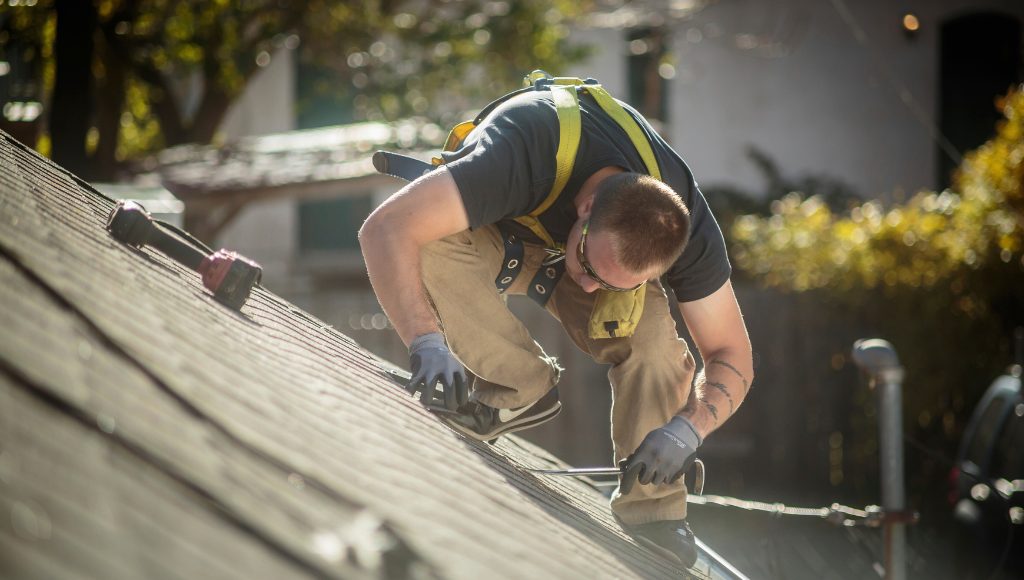
Targeted Shingle Replacement
This works when cracking is limited to a specific area, surrounding shingles are in good condition, and your roof is less than 15 years old. The process involves removing damaged shingles, inspecting the underlayment, and replacing them with new, matching shingles. The cost runs $200 to $500, depending on accessibility.
Finding exact color matches for older shingles can be difficult. New shingles won’t weather-match for 6-12 months.
Section Replacement
You need section replacement when cracking affects an entire roof plane or multiple areas show similar damage. This can run anywhere from $1,500 to $5,000 or more, and creates a visible line between old and new sections. If the section is large, full replacement may make more financial sense.
Roof Maxx Restoration
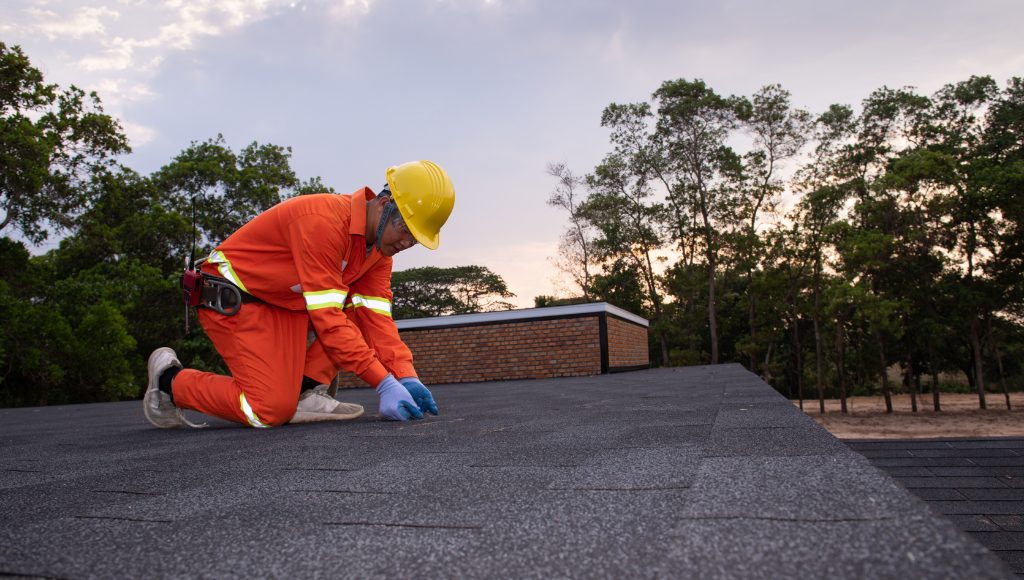
Roof Maxx is a safe, all-natural treatment that restores the oils that asphalt shingles lose over time. The treatment penetrates deep into the shingle structure and replenishes oils that keep shingles flexible. This helps shingles withstand thermal stress without cracking.
When to Consider It
- Best: Before widespread cracking appears
- Good: Early-stage cracking on roofs 5-15 years old
- Still beneficial: Moderate cracking on structurally sound roofs
- Too late: Severe cracking with missing pieces or active leaks
What It Does
Roof Maxx can:
- Restore flexibility to aging shingles
- Prevent new cracks from developing
- Slow progression of minor existing cracks
- Extend roof life by 5 years per application
- Improve performance during freeze-thaw cycles
Roof Maxx cannot:
- Repair structural damage that has already occurred
- Fix broken or missing shingle pieces
- Address underlayment damage
- Work on severely deteriorated shingles
The application takes 1-2 hours and costs $3,000-$5,000 compared to $15,000-$25,000 for full replacement. Each application includes a 5-year transferable warranty.
The most effective strategy combines solutions. Replace severely cracked shingles first, then apply Roof Maxx to the rest of the roof to prevent further cracking.
When Replacement Makes More Sense
You’re past the point of repair when more than 20-30% of shingles show cracking, damage appears across multiple roof planes, your roof is 20+ years old with brittle shingles, or you’ve got active leaks in multiple locations.
If repairs would end up costing more than 40% of the cost of a full roof replacement, then replacing it is usually the smarter financial choice. Repeated repairs to a badly deteriorated roof are often just band-aid solutions that waste money without solving the underlying problem.
When replacing, upgrade to higher-quality shingles with better warranties, fix underlying ventilation issues, and address roof structure problems while everything is exposed.
Protect Your Roof
Cracked shingles aren’t just cosmetic problems. They’re warning signs that your roof is losing the battle against Northern Ohio’s brutal climate. Between the 50+ freeze-thaw cycles each winter, relentless UV exposure, and poor ventilation that bakes your shingles from below, the question isn’t whether your shingles will crack. It’s when.
Dealing with roof issues, cracked shingles, or even leaks can be both scary and overwhelming, especially when you try to wrap your head around the cost. But you don’t have to figure this out alone.
At Northern Ohio Roof Restoration, we’ve helped hundreds of homeowners in Sandusky, Port Clinton, Lorain, and the Lake Erie Islands deal with cracked shingles before they turn into full-blown disasters. We’ll inspect your roof honestly, explain what’s actually happening up there, and give you real options that fit your situation and budget.Contact us to schedule your free inspection today. We’ll assess your roof’s condition, show you exactly what’s happening with photos, and help you make the best decision for your home and your wallet.