
Summary
Curling shingles are a warning sign, not an automatic death sentence for your roof. In Northern Ohio, accelerated aging from freeze-thaw cycles, UV exposure, and poor attic ventilation causes shingles to cup or claw years ahead of schedule. Understanding the two types of curling and what they mean helps you make a smarter decision about your roof. For many homeowners, Roof Maxx can reverse early-stage curling and add years to their roof’s life at a fraction of the cost of replacement.
| Time to Read | ~ 7 minutes |
| What You’ll Learn |
|
| Next Steps |
|
You look up at your roof and notice the shingles starting to curl at the edges. Now you’re wondering if you’re staring at a $500 repair or a $20,000 replacement.
Curling shingles are one of the most common signs of an aging asphalt roof, and one of the most misunderstood. The good news is that curling doesn’t automatically mean you need a new roof. The answer depends on what’s causing it, how far it’s progressed, and what’s going on underneath.
If you’re a homeowner in Sandusky, Lorain, Fremont, or anywhere near the Lake Erie Islands, our team at Northern Ohio Roof Restoration can take a look and help you figure out exactly where you stand.
What Causes Shingles to Curl

Curling is almost always a sign that your shingles are losing flexibility. Asphalt shingles depend on natural oils to stay pliable and lie flat. As those oils break down from heat, sun, and weather, shingles dry out, stiffen, and start to warp. In Northern Ohio, that process happens faster than most homeowners expect. The freeze-thaw cycles, lake-effect humidity, and intense summer sun near Lake Erie all accelerate aging compared to milder climates.
The five main culprits behind curling shingles are:
- Loss of natural oils: As shingles age, the oils that keep them flexible evaporate, leaving the asphalt dry and brittle.
- UV exposure: Sunlight breaks down asphalt on south-facing slopes, which can age 20-30% faster than on north-facing slopes.
- Poor attic ventilation: A poorly ventilated attic can reach 150°F in summer, baking the shingles from below and accelerating oil loss.
- Moisture damage: When moisture infiltrates the shingle layers, it causes them to separate and warp over time.
- Age: In Northern Ohio, 3-tab shingles generally last 15-20 years and architectural shingles 20-30 years, both shorter than national averages.
Any one of these factors can trigger curling on its own. More often, it’s a combination of all of them working together over years.
The Two Types of Curling
Not all curling looks the same, and the type you are seeing gives you a clue about what is driving it. Knowing the difference helps you have a more informed conversation with your contractor and understand what the inspection is likely to find.
Cupping
The edges of the shingle turn upward while the center stays flat. This is usually caused by a moisture imbalance, in which the bottom layer of the shingle absorbs moisture while the top layer dries out and shrinks. Cupping is common on older roofs and on homes close to Lake Erie, where humidity stays elevated year-round.
Clawing
Clawing is the opposite of cupping. The middle of the shingle lifts while the edges stay flat. Clawing is most often seen in shingles with accelerated aging from oil loss, heat buildup, ventilation problems, or installation defects. Clawing can appear earlier in a roof’s life than cupping and is usually a sign that your shingles are drying out faster than they should.
Both types leave your roof exposed to wind and water in the same way. The cause affects what treatment makes the most sense.
Why Curling Shingles Are a Problem
Curled shingles are not just cosmetic. Once a shingle loses its flat profile, it creates real vulnerabilities that tend to get worse with every storm and every freeze-thaw cycle.
- They lift in the wind. Curled edges catch gusts and break the seal strips that hold shingles down, creating entry points for water.
- They let water in. Once a seal strip breaks, water infiltrates underneath and starts working on your sheathing and moisture barrier.
- They signal broader deterioration. Curling is rarely isolated. It usually means the whole roof is losing flexibility at the same time.
- They worsen fast in Northern Ohio. With 50+ freeze-thaw cycles per winter, water gets under curled edges, freezes, expands by 9%, and deepens the damage with every cold snap.
What looks like a minor issue today can become major water damage within a few months. That’s why it’s worth getting eyes on the roof sooner rather than later.
Related Reading:
- What Causes Shingles to Crack (and What to Do About It)
- How Long Should a Roof Last (& How to Make It Last Longer)
How Roof Maxx Can Help With Curling Shingles
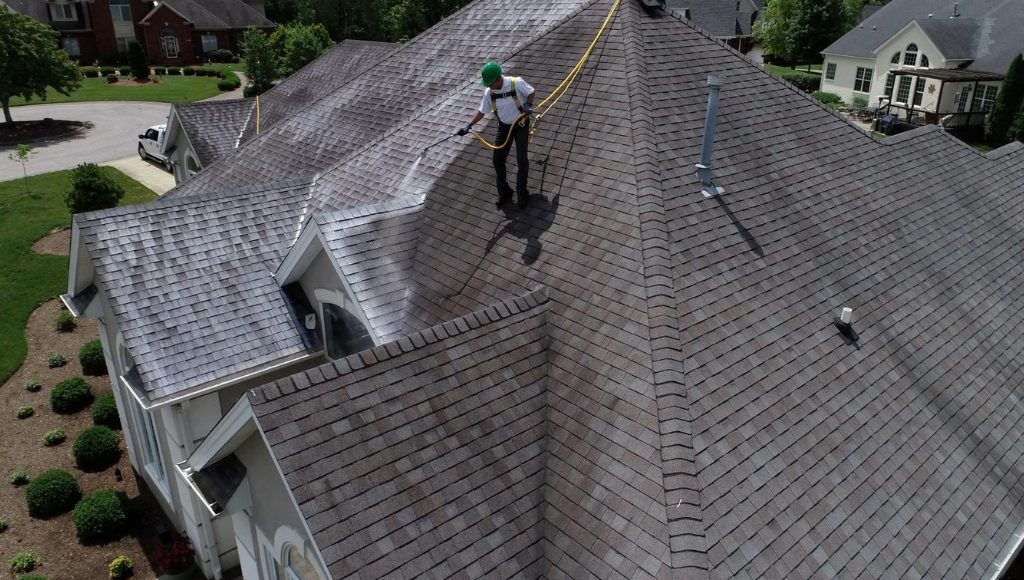
For many homeowners, Roof Maxx restoration is the most cost-effective answer to curling. It works because it targets the root cause rather than just the symptom.
Roof Maxx is an all-natural oil treatment that penetrates aging asphalt shingles and replenishes the oils that evaporate over time. Restoring those oils helps shingles regain flexibility, which can reverse early-stage curling and prevent it from progressing further. The treatment takes 1-2 hours to apply, is backed by a 5-year transferable warranty, and can be applied up to 3 times, extending roof life by up to 15 years total. The cost is roughly $3,000-$5,000, depending on roof size and slope, compared to $15,000-$25,000 for a full replacement.
It’s important to note that Roof Maxx isn’t the right fit for every roof, and it’s works best on roofs where curling and drying are still in the earlier stages. Once shingles begin cracking, shedding large amounts of granules, or breaking apart, restoration becomes less viable. A professional inspection is the best way to determine whether the roof still qualifies for treatment or has moved into replacement territory.
When Curling is Too Advanced for Restoration
There’s a point where restoration won’t solve the problem, and pushing forward with it anyway wastes money. Individual shingle repair or full replacement makes more sense when the damage has progressed too far. Here are the signs to watch for:
- Curling is severe, and shingles are cracking or brittle along the edges
- Granule loss is significant (check your gutters and downspouts for heavy granule buildup)
- Active leaks are already showing up inside the home
- The roof is more than 20-25 years old with widespread deterioration
You can use the table below as a quick reference for where your roof might fall.
| Curling Stage | What It Looks Like | Likely Action |
| Early | Slight edge lift, shingles still mostly flat | Roof Maxx Restoration |
| Moderate | Clear cupping or clawing, but no cracking | Inspection to determine restoration or repair |
| Severe | Curling with cracks, brittle shingles, and/or granule loss | Repair or full replacement |
Only a Pro Can Give You the Right Advice for Your Roof
You can spot curling from the ground, but you can’t see what’s happening underneath because about 70% of roof problems are invisible from ground level. What looks like minor curling from the driveway can hide moisture damage that’s been building for months. A professional inspection gives you the full picture before you commit to any course of action.
Here’s what a thorough inspection by our team covers:
- Whether the shingles are still structurally sound enough for restoration
- How widespread the curling is across the full roof, not just the visible sections
- Whether there’s hidden moisture damage, compromised underlayment, or decking rot
- What your actual options are, with honest recommendations and no pressure to buy
The Cost Comparison
One of the biggest reasons homeowners delay addressing curling shingles is the assumption that roofing work will cost a fortune. The truth is that that’s often not the case, especially when problems are caught early.
| Option | Typical Cost | What You Get |
| Roof Maxx Restoration | $3,000-$5,000 | Up to 5 years per application, 3 applications max, 5-year warranty |
| Targeted Shingle Repair | $200-$1,500 | Addresses isolated damaged areas |
| Full Roof Replacement | $15,000-$25,000+ | New roof when restoration or repair is not enough |
Catching curling early and treating it with Roof Maxx is almost always the lowest-cost path forward, provided the roof still qualifies. Waiting adds up quickly. A repair that costs $500 today can turn into a $15,000+ replacement if damage spreads over the next year.
Maintenance Habits That Prevent Curling From Getting Worse
You can’t undo years of oil loss overnight, but consistent (and proper) maintenance of your roof can slow the process and help your roof reach the upper end of its expected lifespan. We’ve put together a few habits that will make the biggest difference:
- Ensure proper attic ventilation to prevent the heat buildup that bakes shingles from below.
- Keep gutters clear so moisture doesn’t back up under shingle edges at the eaves.
- Schedule annual inspections to catch early-stage curling before it becomes severe.
- Address minor lifting or cracking immediately, rather than waiting until spring.
- Proactively consider Roof Maxx if your roof is 10 or more years old, even before visible curling begins.
Small habits add years to your roof. The difference between a roof that lasts 15 years and one that lasts 25 often comes down to whether small problems were caught and addressed early, and how well you maintain your roof in the interim years.
Protect Your Roof Before Curling Gets Worse
Curling shingles usually indicate that your roof is aging and losing flexibility, but they don’t automatically mean replacement is the only option. The appropriate solution depends on the extent of the deterioration and the overall condition of the roofing system beneath the shingles. For many homeowners in Northern Ohio, Roof Maxx restoration can help restore flexibility and extend roof life for several more years at a much lower cost than full replacement.Northern Ohio Roof Restoration offers free roof assessments and honest recommendations. We’ll tell you exactly what your roof needs, and we won’t push you toward the more expensive option if it’s not necessary. Call us or visit our website to schedule your roof inspection today.