
Summary
Lake Erie’s extreme weather creates unique challenges for homeowners, especially when it comes to roof damage. High winds can lift, crack, or tear shingles, while ice buildup and freeze-thaw cycles cause hidden structural issues that often go unnoticed. As a homeowner, it’s vital to know how storm damage happens, where to look for warning signs, and why acting quickly can prevent costly repairs. If you live near the Lake Erie shoreline, understanding these risks is key to protecting your home year-round.
| Time to Read | ~7 minutes |
| What You’ll Learn | How Lake Erie weather creates unique roofing risksThe three main types of wind damage that affect shinglesHow ice dams and freeze-thaw cycles silently damage your roofWhy most storm damage goes unnoticed until it becomes expensive |
| Next Steps | Schedule a professional roof inspection after major stormsCheck your roof and attic for early signs of damageAddress minor repairs before they turn into costly problemsContact Northern Ohio Roof Restoration for a free, no-obligation estimate |
Lake Erie creates some of the most extreme roofing conditions in the entire country. The combination of unobstructed winds, lake-effect weather, and brutal freeze-thaw cycles means your roof takes a beating that inland properties will never experience. Understanding these unique challenges is indispensable knowledge that can save you thousands in repair costs and protect your home’s most important defense system.
Lake Erie’s Perfect Storm
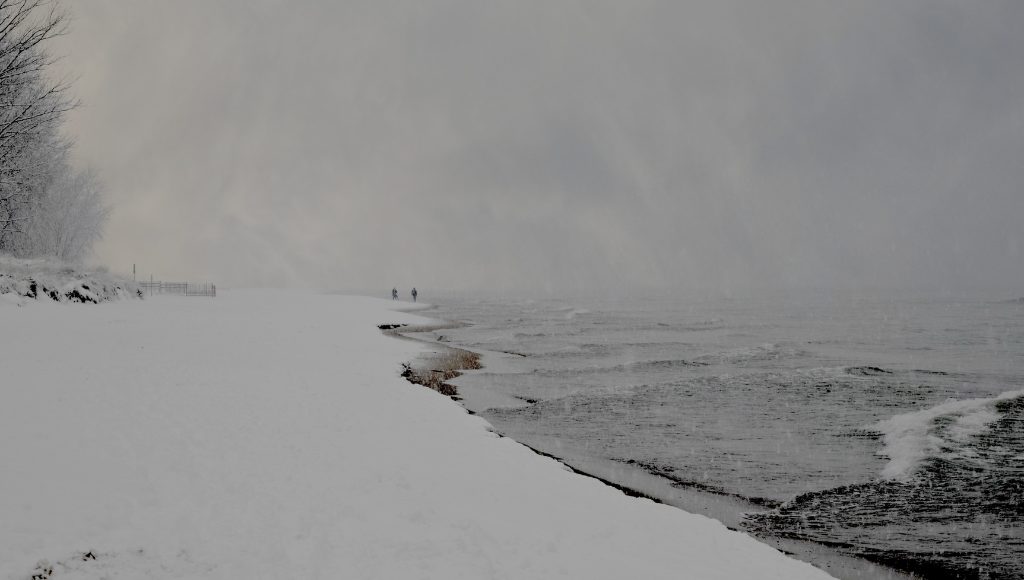
Lake Erie is one of Northern Ohio’s favorite scenic backdrops, but it’s also a weather-making machine that turns ordinary winter storms into roof-destroying events.
Here’s what happens: relatively warm lake water (even in winter, it’s warmer than the air above it) meets frigid Arctic air masses. This temperature difference creates intense weather systems that dump snow, ice, and wind on shoreline communities.
The “fetch effect” makes it worse. Wind travels across miles of open water with nothing to slow it down, picking up moisture and speed before slamming into Sandusky, Port Clinton, Lorain, and the Lake Erie Islands. If you live within 10 miles of the lake, you’re in the bullseye.
Wind Exposure by Location
| Location | Exposure | Key Risk Factors |
| Lake Erie Islands | Extreme | 360° exposure, no windbreaks |
| Sandusky | High | Peninsula exposure, bay funneling |
| Port Clinton | High | Western Basin patterns |
| Inland areas | Moderate | Lake effect influence only |
Island properties like Put-in-Bay, Kelleys Island, and Middle Bass face the worst conditions. There’s literally nothing between your roof and Canadian weather systems but open water. Mainland waterfront properties in Sandusky’s peninsula areas or Port Clinton’s marina district aren’t far behind.
Ice Storm Formation
Temperature inversions over Lake Erie create perfect freezing rain conditions. The proximity to water keeps humidity levels higher, which means heavier ice accumulation on your roof. Unlike inland areas that might see one or two significant ice events per winter, Lake Erie communities routinely face 3-5 major ice storms annually.
How Wind Destroys Your Shingles
Wind doesn’t just blow shingles off your roof. The damage is more complex and often more insidious than that.
Three Types of Wind Damage
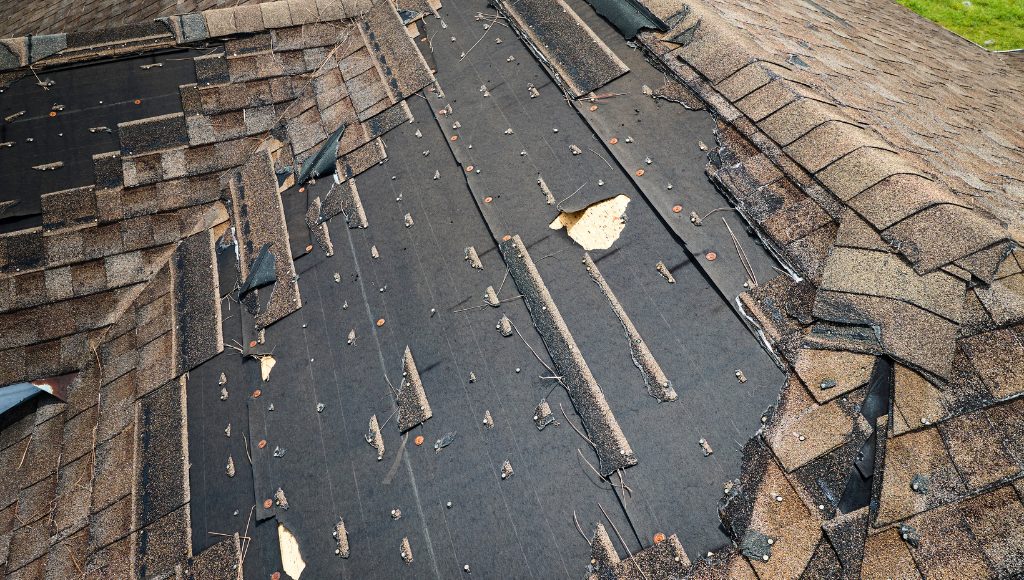
- Lifting: Wind gets under shingle edges at corners and peaks, breaking the seal strips that hold the shingles down and creating entry points for water. Even if the shingle looks intact from the ground, that broken seal means it’s compromised and vulnerable to the next storm.
- Cracking: Cold temperatures make shingles brittle. Lake Erie’s winter climate is very harsh on roofing materials because shingles lose flexibility in freezing conditions. When wind stress hits a brittle shingle, it cracks. These cracks might be hairline-thin at first, but freeze-thaw cycles rapidly expand them.
- Tearing: When winds exceed 110-130 mph, you get complete shingle loss. Lake Erie gusts regularly reach these speeds during severe storms. The result? Shingles torn completely off the roof, leaving exposed decking vulnerable to water infiltration.
The Domino Effect
What most homeowners don’t realize is that one lifted or damaged shingle compromises its neighbors. Wind gets under that first shingle and uses it as a lever to lift adjacent shingles. What starts as a single point of failure can quickly become a section of 10-20 compromised shingles.
Once you’ve got exposed roof decking (either from complete shingle loss or severely damaged areas), water can infiltrate directly. No amount of moisture barrier will protect you if the primary defense is gone.
Ice Damage You Can’t See
If wind damage is dramatic and visible, then ice damage is the opposite. It’s slow, progressive, and often completely hidden until it’s too late.
Weight and Structural Stress
Ice is heavy. One inch of ice accumulation weighs about 5 pounds per square foot. Lake Erie properties routinely see 2-3 inches of ice buildup during major winter storms. That’s 10-15 pounds per square foot across your entire roof structure.
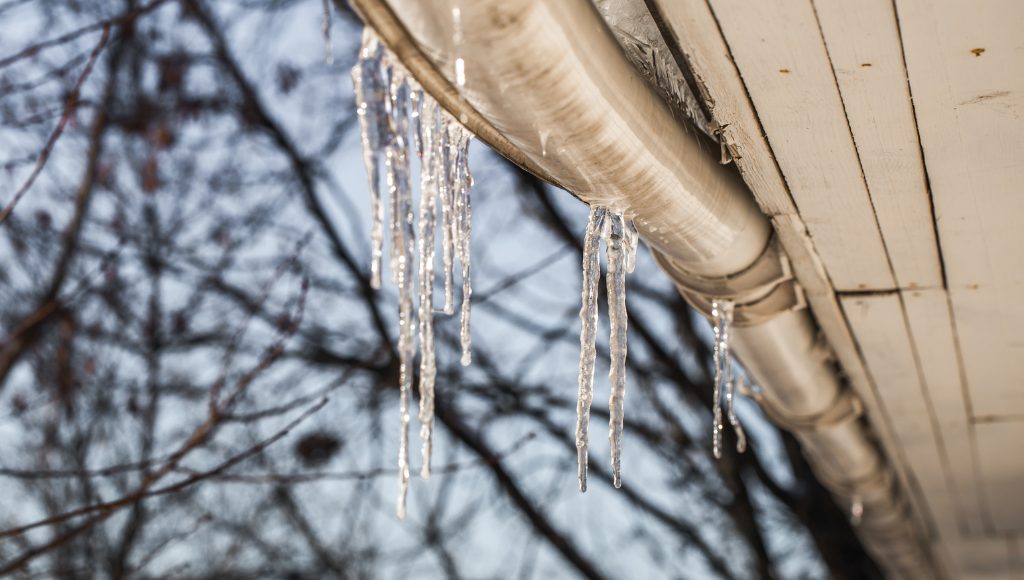
How Ice Dams Destroy Roofs:
- Heat escapes from your poorly insulated attic
- This heat warms the upper portion of your roof
- Snow melts on the warm upper roof
- Water runs down to the cold roof edge and refreezes
- Ice dams block normal drainage
- Trapped water backs up under your shingles
Freeze-Thaw Cycle Damage
Water expands by about 9% when it freezes. That might not sound like much, but when it happens repeatedly in the tiny cracks and gaps in your roofing system, it’s incredibly destructive.
Daytime sun melts ice and snow; water seeps into small cracks and gaps; temperatures drop overnight; water freezes and expands; and cracks get bigger. The next day, more water infiltrates deeper. Rinse and repeat 50+ times per winter.
What starts as hairline cracks in November becomes major structural problems by March. And the damage is almost completely invisible until spring thaw reveals the extent of the problem.
Where Ice Does the Most Damage:
- Roof edges and eaves, where ice dams form
- Valleys, where water concentrates, and ice builds up fastest
- Flashing around chimneys, vents, and skylights, where ice expansion separates flashing from roofing material
- Gutter systems, where excess weight pulls gutters away from fascia, and expansion damages gutter interiors
Hidden Damage You’re Missing
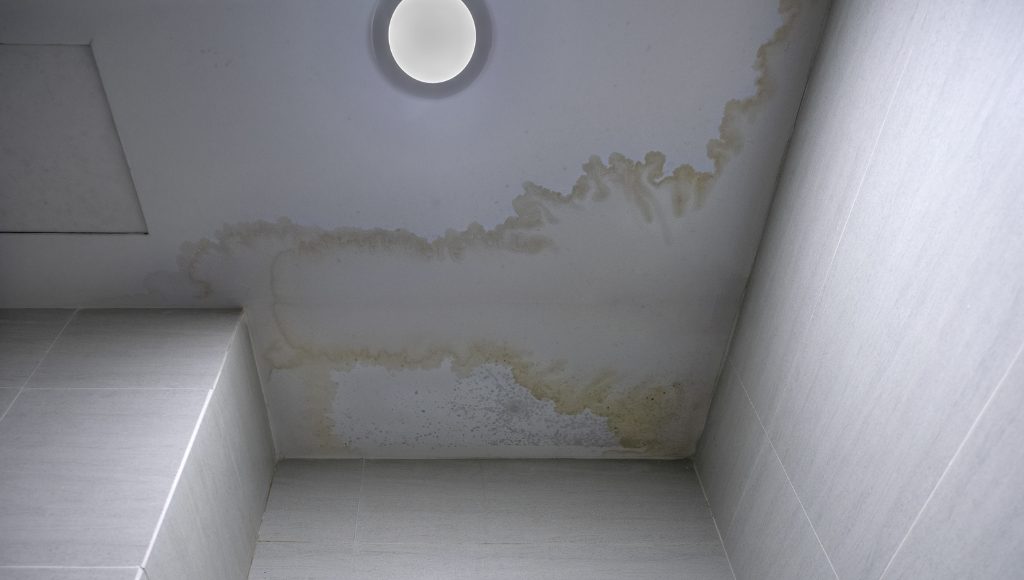
About 70% of storm damage isn’t visible from ground level. Homeowners look up with binoculars, see all the shingles in place, and assume everything’s fine. Meanwhile, seal strips are broken, flashing is separated, and moisture barriers are compromised.
| Damage Type | Why You Miss It | Consequences if Ignored |
| Loosened flashing | Not visible from the ground | Water infiltration within 6 months |
| Compromised moisture barrier | Hidden beneath shingles | Decking rot, interior damage |
| Nail pops | Shingles look intact | Progressive failure, more shingles lost |
| Micro-cracks in shingles | Too small to see from the ground | Expand during the next freeze-thaw |
| Seal strip breaks | Shingles appear normal | Wind vulnerability doubles |
| Soffit/fascia damage | Peripheral areas overlooked | Water infiltration pathway |
| Blocked ventilation | Inside attic space | Ice dam formation, moisture problems |
What looks like $500 in repairs becomes $15,000+ in replacement costs if you wait. The damage manifests 3-6 months later as interior leaks or sudden massive shingle loss during the next storm.
Why Professional Inspections Matter
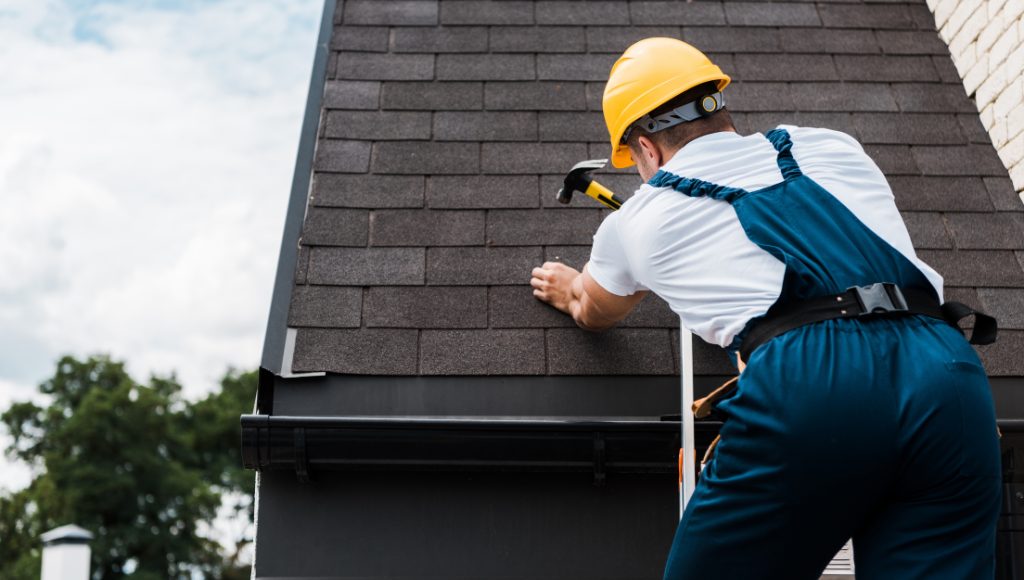
After any major wind or ice event, you need a professional roof inspection. Not a ground-level look with binoculars. An actual on-the-roof assessment by someone who knows what to look for.
Professional inspectors provide trained assessment of subtle damage indicators you’d never notice, proper safety equipment for thorough inspection, photo documentation you’ll need for insurance claims, and written reports with clear recommendations.
Common Storm Repairs
| Repair Type | Description | Cost Range |
| Shingle replacement | Spot or section replacement | $300-$1,500 |
| Flashing repair | Re-seal at penetrations | $200-$800 |
| Gutter repair | Reattach, replace sections | $300-$1,200 |
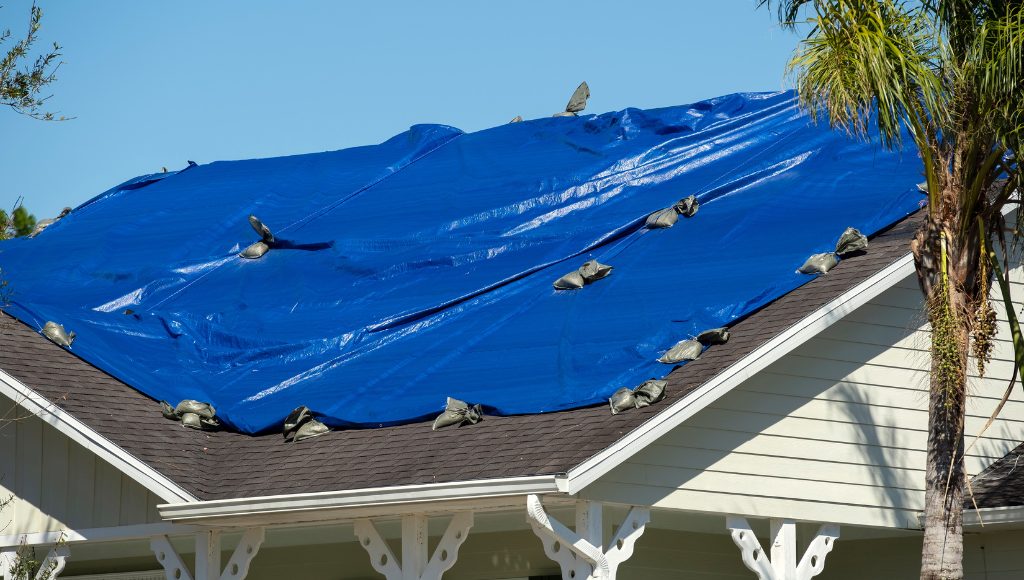
| Emergency sealing | Tarping and temporary waterproofing | $150-$500 |
| Moisture barrier repair | Addressing underlayment damage during shingle work | $500-$2,000 |
| Ventilation restoration | Ridge vent or soffit vent repair/replacement | $400-$1,000 |
| Fascia/soffit repair | Replace water-damaged boards or panels | $500-$2,000 |
These ranges assume standard repairs on typical residential properties. Costs vary based on roof pitch, accessibility, material-matching requirements, and the extent of damage.
Storm Preparation Checklist
The best time to deal with storm damage is before it happens. Schedule a professional inspection for your roof in September or October before Lake Erie’s storm season hits.
DIY Maintenance Tasks
- Clean gutters and downspouts
- Trim overhanging branches
- Clear soffit vents
- Check attic insulation
- Document roof condition with photos
Proactive Upgrades Worth Considering
- Heavy-duty gutter hangers to withstand ice loads
- Heated gutter cables to prevent ice dam formation
- Ice-and-water shield in vulnerable areas
- Roof Maxx restoration for aging shingles
Why Speed Matters
Let’s talk about what happens when you ignore storm damage or delay repairs.
- One week after storm: One lifted shingle and a small crack you can’t see from the ground
- Three months: Water infiltration, 10 compromised shingles, moisture barrier starts to fail
- Six months: Decking rot develops, interior leak is finally visible, mold starts to grow
- One year: Structural damage to decking and trusses, widespread interior water damage, full roof section failure
The cost escalation follows the same pattern. Immediate repair costs $500. A 3-month delay runs $2,000-$5,000. Wait 6 months, and you’re at $8,000-$15,000. Delay a full year, and you need $15,000-$25,000+ for a complete replacement.
Protect Your Lake Erie Home
When you know your roof is sound, you sleep through storms without worry. When you’ve got unrepaired damage, every rain event has you checking for new leaks. Every weather forecast brings stress.
Your home is your largest investment, and protecting it is about more than money. It’s the security of knowing your family is safe and dry, no matter what Lake Erie throws at you.
Don’t wait for small problems to become catastrophic failures. Schedule a free inspection with Northern Ohio Roof Restoration today. We’ll assess your roof’s condition honestly, explain your options clearly, and help you make the best decision for your home.Call (419) 341-0656 or visit our website to schedule your free inspection.