

Table of Contents
Summary
UV radiation breaks down asphalt shingles gradually, depleting the oils that keep them flexible and waterproof long before visible damage appears. In Northern Ohio, freeze-thaw cycles and lake-effect weather compound the problem by exploiting brittle, UV-weakened shingles all winter. South and west-facing slopes age fastest. For roofs showing early wear, Roof Maxx restoration can replenish those oils and extend roof life by up to 15 years at a fraction of replacement cost. Learn how to spot UV damage and what you should do about it when you find it.
| Time to Read | ~8 minutes |
| What You’ll Learn |
|
| Next Steps |
|
Most Northern Ohio homeowners know to worry about winter storms, ice dams, and Lake Erie wind. But there’s another force quietly attacking your roof every single day of the year, and it has nothing to do with cold weather.
The sun.
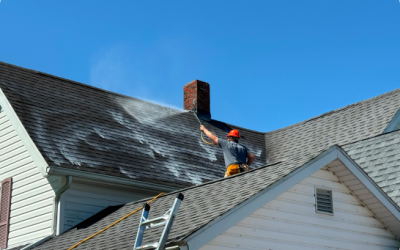
UV radiation gradually degrades asphalt shingles, breaking down the oils that keep them flexible and waterproof. By the time you notice the damage, it’s usually been building for years. The good news is that UV damage is predictable, and if you catch it early enough, you have options that don’t involve a full roof replacement.
The team at Northern Ohio Roof Restoration works with homeowners across the region to assess UV-related wear and recommend the right fix, whether that’s proactive maintenance, Roof Maxx restoration, targeted repairs, or a full replacement.
What UV Radiation Actually Does to Asphalt Shingles
The Chemistry Behind the Damage
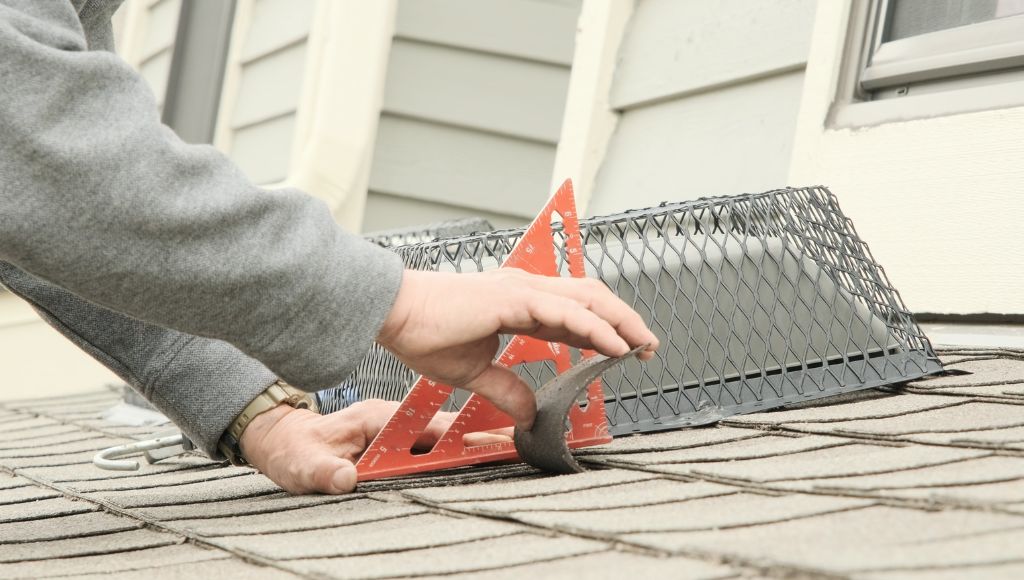
Asphalt shingles are made with a mix of asphalt, mineral granules, and a fiberglass or organic mat. The asphalt layer is what does the heavy lifting. It’s what makes shingles waterproof and flexible enough to handle temperature swings, wind stress, and the constant expansion and contraction that comes with Northern Ohio’s climate.
The problem is that asphalt contains petrochemical oils that break down under prolonged UV exposure. Sunlight doesn’t just heat your shingles, it chemically degrades them over time, stripping away the oils that give them their elasticity. Once those oils are gone, you can’t get them back without intervention.
How UV Damage Progresses Over Time
UV damage follows a fairly predictable path. Understanding the stages helps you know where your roof stands and how urgently you need to act.
- Oil depletion: UV radiation begins breaking down asphalt oils within the first few years of a roof’s life. This stage is entirely invisible and unavoidable.
- Brittleness: As oils deplete, shingles lose their flexibility. They become increasingly rigid and less able to handle the constant movement caused by temperature changes.
- Surface cracking: Brittle shingles crack under stress. Cracks may start hairline-thin and completely invisible from the ground, but they’re open pathways for water.
- Granule loss: The granules embedded in your shingles’ surface protect the asphalt layer from direct UV exposure. Once cracks form and shingles dry out, granules loosen and wash into your gutters.
- Curling and cupping: Advanced oil loss causes shingles to shrink and deform. Edges curl upward or downward, allowing wind to get underneath and water to pool.
- Exposure of the mat: In the final stage, the asphalt layer is so degraded that the fiberglass or organic mat beneath it becomes exposed. At this point, the shingle has failed, and water infiltration is likely.
Each stage compounds the next. Once granule loss accelerates, UV hits the asphalt layer directly, and the process speeds up exponentially.
Why UV Damage Is a Year-Round Problem in Northern Ohio
A lot of homeowners assume UV damage is a summer problem. The reality is that UV radiation reaches your roof every month of the year, even on overcast days. Clouds filter some UV, but not nearly enough to protect aging shingles.
In Northern Ohio, this is compounded by the freeze-thaw cycle. UV radiation makes shingles brittle. Those same brittle shingles then face 50+ freeze-thaw cycles every winter, each one expanding and contracting the tiny cracks that UV exposure created. What starts as a surface issue in July can become a structural problem by March.
Which Parts of Your Roof Take the Hardest Hit
UV exposure isn’t uniform across your roof. Some slopes absorb much more radiation than others, causing them to age faster.
- South-Facing Slopes: South-facing slopes receive the most direct sun throughout the year. In Northern Ohio, a south-facing slope can age 20 to 30% faster than the north-facing side of the same roof.
- West-Facing Slopes: West-facing slopes take the brunt of afternoon sun, which arrives during the hottest part of the day. That combination of peak UV intensity and peak heat accelerates the chemical breakdown of asphalt faster than morning sun does.
- Low-Pitch Roofs: Roofs with a lower pitch face the sun at a more direct angle, which increases UV exposure compared to steep-pitch roofs.
Warning Signs of UV Damage You Can Spot Yourself
Some UV damage is visible if you know what to look for. Use binoculars from the ground, or check your gutters and attic for indirect evidence.
| Warning Sign | What to Look For | What It Means |
| Faded or uneven color | Patches lighter than surrounding shingles | UV has bleached and degraded surface granules |
| Granules in gutters | Gritty buildup after rain, especially in spring | Granule bond has broken down |
| Surface cracking | Spider-web or hairline cracks visible up close | Shingles have lost flexibility |
| Curling or cupping edges | Edges turning up or down | Advanced oil depletion and shrinkage |
| Brittle texture | Shingles crack or crumble when touched | Near the end of functional life |
| 💡About 70% of roof damage isn’t visible from the ground. The oil depletion that makes them brittle is invisible until the next storm or freeze-thaw cycle worsens the damage. Professional inspections matter, especially as your roof ages. |
How Roof Maxx Addresses UV Damage
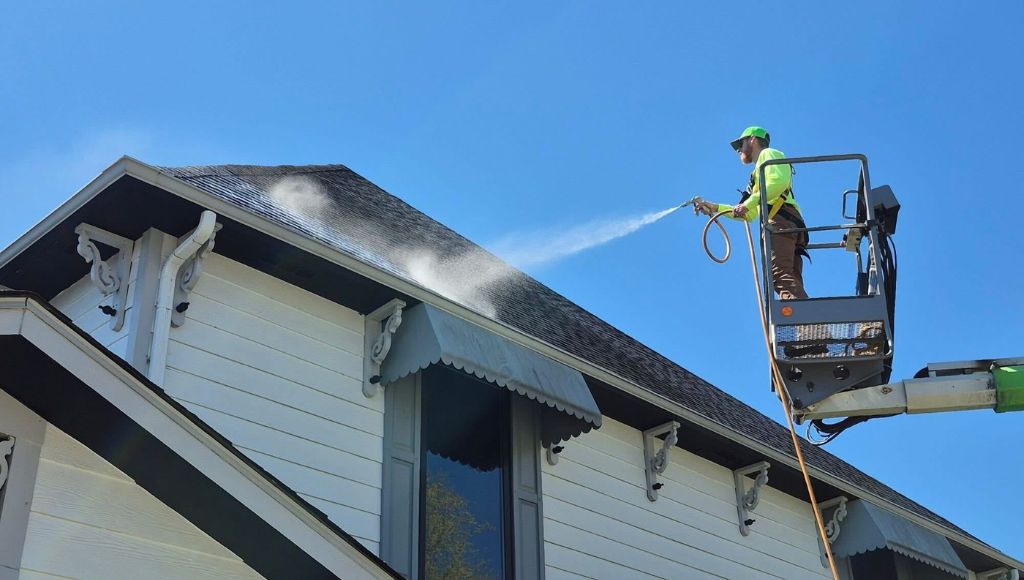
If UV damage works by stripping the oils from your shingles, Roof Maxx works by restoring them. It’s an all-natural rejuvenation treatment that penetrates the asphalt layer and restores the flexibility and waterproofing properties that UV radiation depletes over time.
Roof Maxx isn’t a surface coating or sealant. It absorbs into the shingle itself, which means shingles can still breathe naturally and won’t trap moisture underneath. For homeowners whose roofs show early-to-moderate UV wear, it’s often a practical (and far more cost-effective) alternative to premature replacement.
Who It Works For
Roof Maxx works best on roofs that are 5 to 20 years old and show early signs of aging but remain structurally sound. Good candidates include shingles that are starting to feel brittle, show light cracking, or lose some granules, but haven’t yet reached the stage of widespread damage or material loss.
While Roof Maxx can be a restorative and cost-saving option for many Northern Ohio homeowners, there are things that it simply can’t do. It can’t, for example, repair structural damage, fix widespread missing shingles, or address active leaks. If UV damage has progressed far enough that the mat is exposed or the shingles are crumbling, you’re likely already past the point that restoration can help, and full or partial replacement may be the right answer.
But if your roof qualifies for Roof Maxx, you can save up to 80% with restoration versus the cost of replacement. Each application comes with a 5-year transferable warranty and can be reapplied up to 3 times, extending the life of qualifying roofs by up to 15 years.
The Role of Regular Maintenance in Catching UV Damage Early
Maintenance won’t stop UV radiation from aging your shingles, but it does slow the damage by keeping the rest of your roof system healthy, and helps you catch problems while they’re still small and inexpensive to fix.
Fall Maintenance (September–October)
- Clean gutters and downspouts so granule accumulation is visible and trackable
- Trim overhanging branches that create debris and shade-related moisture issues
- Schedule a professional inspection before winter stress begins
- Check flashing around chimneys, vents, and skylights
Spring Check-Up (April–May)
- Inspect for winter damage that UV-weakened shingles couldn’t withstand
- Check gutters again for granule buildup after snowmelt
- Look for lifted or curled shingles, especially on south and west-facing slopes
- Address any damage before summer UV exposure adds more stress
Don’t Forget the Attic
Poor attic ventilation traps heat, which bakes your shingles from below while UV hits them from above. That double exposure ages shingles faster than either factor alone. Make sure your attic has adequate intake vents at the soffits and exhaust vents at the ridge or gables. If your energy bills have been climbing or your attic feels excessively hot in summer, ventilation is worth checking.
When UV Damage Has Gone Too Far
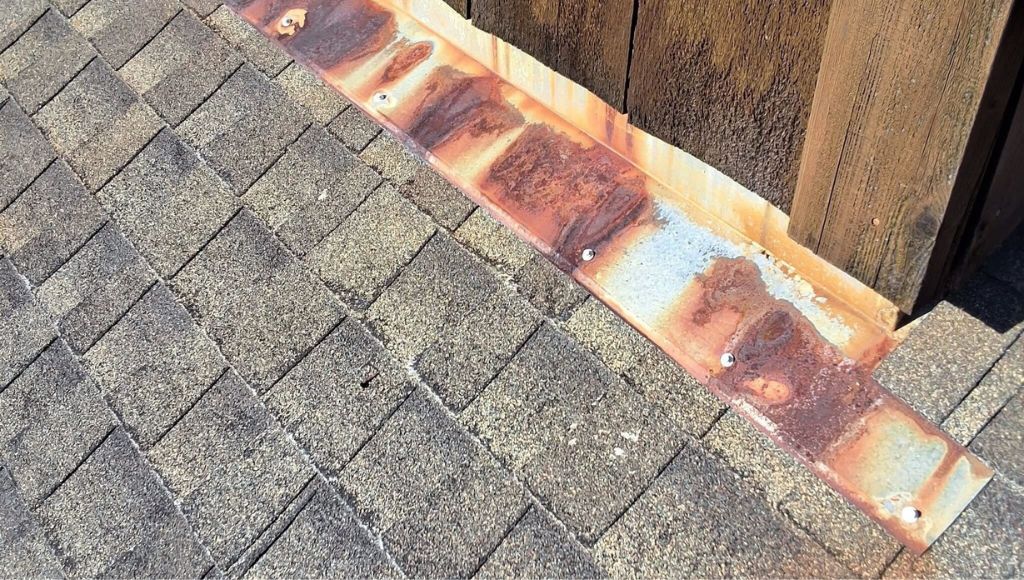
Not every roof with UV damage is a good candidate for Roof Maxx restoration treatment. Unfortunately, some have deteriorated past the point where rejuvenation makes sense. Here’s how to know you’re in that territory:
- Shingles crack or crumble when touched
- The fiberglass or organic mat is visible through the shingle surface
- Widespread missing granules have left large patches of bare asphalt
- Active leaks that trace back to shingle failure, not just flashing or sealant issues
- Your roof is older than 20 to 25 years with 3-tab shingles, or 25 to 30 years with architectural shingles
At that point, the honest recommendation is replacement. At Northern Ohio Roof Restoration, we’ll tell you straight if your roof doesn’t qualify for Roof Maxx. The goal is always to give you the right answer for your situation, not the most expensive one.
Protect Your Roof Before the Damage Piles Up
UV damage is different from storm damage in that it’s always happening, no matter the weather. In Northern Ohio, that toll is compounded by freeze-thaw cycles, lake-effect moisture, and unobstructed wind.
Homeowners who get the most out of their roofs don’t wait for leaks to tell them something’s wrong. Annual inspections, tracking granule loss in their gutters, and addressing problems with targeted repairs help to prolong the lifespan of their roofs.
If your roof is 10 years or older, or if you’ve noticed any of the warning signs mentioned above, a professional inspection is the next step. Our team will assess your roof honestly, explain exactly what damage there is, and tell you whether maintenance, Roof Maxx restoration, or replacement makes the most sense for your home.
Call (419) 341-0656 or visit our website to schedule your inspection today.